Best Pillowcase Weave for Children's Facial Eczema: A Complete Parent's Guide
Introduction
Parents of children who experience facial eczema often wonder whether everyday bedding can worsen the condition. This guide explains how pillowcase weave influences skin irritation, what fabrics are scientifically recommended, and how to choose the safest option for a child’s delicate face. Readers will learn the underlying biology of eczema, compare the most popular pillowcase materials, and receive actionable care routines. In addition, five highly rated Amazon pillowcases are highlighted to illustrate how product features align with dermatological best practices.
Background and Context
Eczema, or atopic dermatitis, is characterized by a compromised skin barrier, increased transepidermal water loss, and heightened sensitivity to irritants. When a child sleeps, friction, sweat, and textile fibers can act as mechanical or chemical triggers that exacerbate flare‑ups. Studies indicate that natural fibers such as cotton and certain high‑grade microfiber blends reduce allergen retention and maintain breathability, whereas rough synthetic weaves may trap heat and irritants.
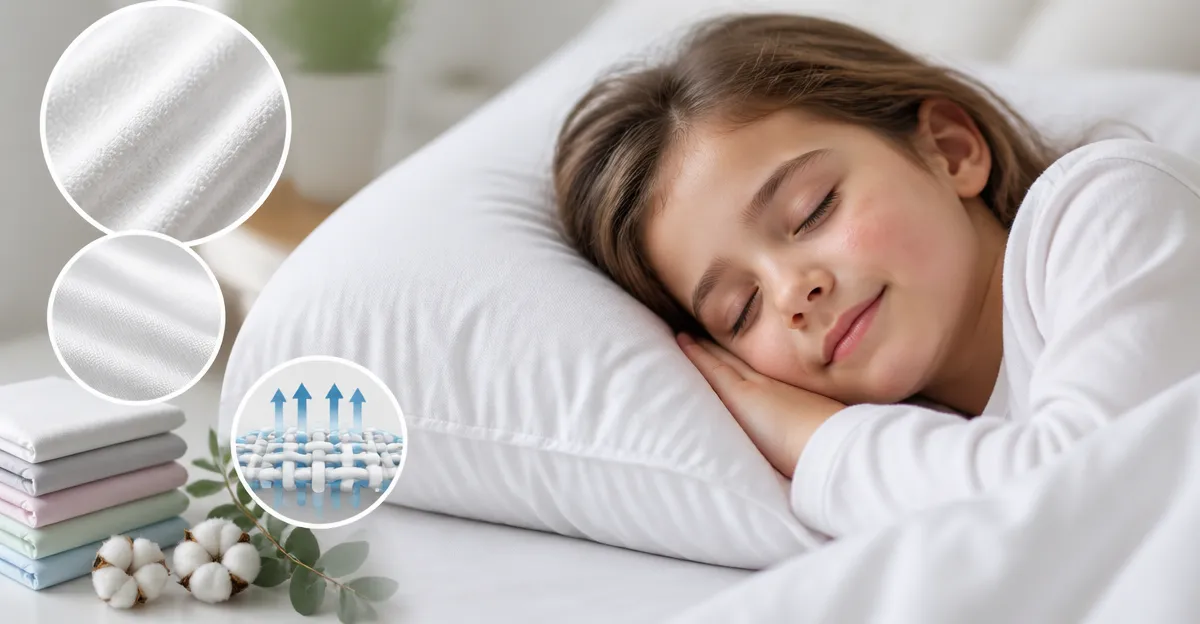
For parents, the challenge lies in translating scientific recommendations into practical bedding choices. The ideal pillowcase should be soft, hypoallergenic, fade‑ and shrink‑resistant, and easy to launder at high temperatures without degrading. Moreover, the weave must allow airflow to prevent moisture buildup, a common catalyst for eczema lesions on the face.
In the following sections, the guide breaks down the most common pillowcase weaves, evaluates their suitability for eczema‑prone skin, and integrates real‑world product data from Amazon. The information is presented in a professional tone suitable for an intermediate audience, balancing depth with accessibility.
Understanding Pillowcase Weaves
Three primary weave categories dominate the market: brushed microfiber, 100% cotton sateen, and double‑brushed microfiber blends. Each weave possesses distinct tactile qualities, moisture‑management properties, and durability profiles.
- Brushed Microfiber: This synthetic blend (often polyester) is treated to create a soft, fuzzy surface. The brushing process raises fibers, enhancing comfort while maintaining a tight weave that limits dust mite penetration. It is typically fade‑ and shrink‑resistant, making it a low‑maintenance choice.
- 100% Cotton Sateen: Cotton fibers woven in a satin‑like pattern produce a smooth, lustrous finish. The natural breathability of cotton helps regulate temperature, and the absence of synthetic chemicals reduces the risk of contact dermatitis. However, cotton may wrinkle and shrink if not cared for properly.
- Double‑Brushed Microfiber: This variant combines two brushing stages, yielding an ultra‑soft hand feel. The additional brushing creates a denser surface that can repel allergens while still allowing airflow. It often carries OEKO‑TX certifications that assure low chemical residues.
When selecting a pillowcase for a child with facial eczema, parents should prioritize fabrics that are both hypoallergenic and moisture‑wicking. The following product recommendations illustrate how these criteria are met in practice.
Recommended Pillowcases for Eczema‑Sensitive Children
The first product highlighted is the Utopia Bedding Queen Pillowcases. This 4‑pack features brushed microfiber with a 4‑inch hem and envelope closure, providing a secure fit that eliminates pillow shifting during the night. The fabric is machine‑washable, fade‑ and shrink‑resistant, and carries an Oeko‑Tex certification, which assures the absence of harmful substances. With a rating of 4.6/5 from 47,440 reviews and a price of $9.99, it offers an affordable, durable option for families seeking low‑maintenance bedding.
Next, the Amazon Basics Cotton Pillowcases provide a natural cotton sateen weave. Made from 100% cotton, these cases are wrinkle‑resistant and feature a lustrous finish that feels gentle against the skin. They are certified MADE IN GREEN by OEKO‑TX, confirming a reduced environmental impact and safe chemical profile. Priced at $11.19 for a 2‑pack and rated 4.5/5 from 32,845 reviews, they represent a premium natural‑fiber alternative.
The ZPECC Queen Pillowcases are a budget‑friendly double‑brushed microfiber set. Although primarily marketed to hotels and rentals, the OEKO‑TX Standard 100 certification ensures hypoallergenic material suitable for sensitive skin. The envelope closure eliminates the need for zippers, reducing potential irritation points. At $3.84 for a 4‑pack and a 4.4/5 rating from 1,340 reviews, they are an economical choice for parents on a tight budget.
For families preferring a microfiber that mimics the softness of higher‑end fabrics, the Amazon Basics Microfiber Pillowcases deliver super‑soft polyester fibers with a breathable construction. The product is MADE IN GREEN certified, machine washable, and resistant to pilling. With a rating of 4.6/5 from 29,335 reviews and a price of $5.59 for a 2‑pack, it balances comfort and durability.
Finally, the Bedsure Queen Pillowcases combine double‑brushed microfiber with an OEKO‑TX certification (24.HCN.19195). The fabric is described as ultra‑soft, static‑free, and resistant to wrinkles, making it suitable for children who may toss and turn. Priced at $7.99 for a 2‑pack and rated 4.6/5 from 17,449 reviews, it offers a mid‑range option with a focus on skin‑friendly comfort.
Comparison and Selection Guide
| Product | Fabric Type | Key Eczema‑Friendly Features | Price (USD) | Rating |
|---|---|---|---|---|
| Utopia Bedding | Brushed Microfiber (Polyester) | Envelope closure, Oeko‑Tex certified, fade & shrink resistant | 9.99 (4‑pack) | 4.6/5 |
| Amazon Basics Cotton | 100% Cotton Sateen | Made in Green certified, natural breathability, wrinkle resistant | 11.19 (2‑pack) | 4.5/5 |
| ZPECC | Double‑Brushed Microfiber | OEKO‑TX Standard 100, envelope closure, budget‑friendly | 3.84 (4‑pack) | 4.4/5 |
| Amazon Basics Microfiber | Polyester Microfiber | Made in Green certified, super‑soft, resistant to pilling | 5.59 (2‑pack) | 4.6/5 |
| Bedsure | Double‑Brushed Microfiber | OEKO‑TX certified, ultra‑soft, static‑free | 7.99 (2‑pack) | 4.6/5 |
When comparing these options, consider three decision factors: fabric composition, certification status, and price per pillowcase. Natural cotton excels in breathability but may require gentle laundering to avoid shrinkage. Brushed microfiber offers superior durability and easy care, which is advantageous for busy households. Double‑brushed variants combine softness with hypoallergenic certifications, making them a balanced choice for most children with facial eczema.
Best Practices & Tips for Managing Eczema with Pillowcases
- Wash pillowcases weekly in hot water (60°C/140°F) to eliminate dust mites and residual irritants. All recommended products are machine‑washable and retain their softness after repeated cycles.
- Dry on low heat or air‑dry to prevent excessive shrinkage, especially for cotton sateen cases.
- Rotate pillowcases every few nights to reduce friction on the same facial area. Using a 4‑pack such as Utopia Bedding simplifies rotation.
- Avoid fabric softeners, which can leave residues that aggravate eczema. Instead, add a half‑cup of white vinegar to the rinse cycle to maintain softness.
- Inspect seams and closures regularly. Envelope closures are preferable to zippers because they lack metal parts that can cause micro‑abrasions.
Implementing these habits alongside an appropriate pillowcase weave can markedly reduce nighttime flare‑ups, improve sleep quality, and support the overall skin‑care regimen prescribed by dermatologists.
Frequently Asked Questions
1. Does microfiber cause more sweating than cotton?
High‑quality brushed microfiber is engineered to be moisture‑wicking, allowing sweat to evaporate quickly. While cotton naturally breathes, modern microfiber blends often match or exceed cotton’s moisture management, making them suitable for eczema‑prone children.
2. Are envelope closures better than zip closures for sensitive skin?
Yes. Envelope closures eliminate metal zippers that can snag delicate skin and reduce friction. All products featured in this guide use envelope closures, ensuring a smooth surface against the face.
3. How often should pillowcases be replaced?
Even with durable fabrics, pillowcases should be replaced every 12‑18 months or sooner if they develop holes, pilling, or persistent odors. Regular inspection helps maintain a hypoallergenic environment.
4. Can I use the same pillowcase for a child with a known latex allergy?
Most pillowcases listed are latex‑free, but it is prudent to verify that no latex adhesives are used in the stitching. The OEKO‑TX certifications for the cotton and microfiber options provide added assurance of chemical safety.
5. Is there a benefit to buying larger packs?
Larger packs, such as the 4‑pack from Utopia Bedding, reduce the frequency of purchases, ensure consistent fabric quality, and simplify rotation schedules, which is especially useful for families with multiple children.
6. Should I use a pillow protector underneath the pillowcase?
A hypoallergenic pillow protector can add an extra barrier against dust mites and allergens. Choose a breathable, waterproof protector that does not trap heat, as excess moisture can worsen eczema.
Conclusion
Choosing the right pillowcase weave is a critical component of managing facial eczema in children. Natural cotton sateen offers excellent breathability, while brushed and double‑brushed microfiber provide durability, softness, and hypoallergenic certifications. By integrating the recommended Amazon products, following best‑care practices, and maintaining a consistent washing routine, parents can create a sleep environment that minimizes irritants and supports skin healing.
Ultimately, the combination of informed fabric selection and diligent hygiene empowers families to reduce nighttime eczema flare‑ups, improve sleep quality, and foster overall well‑being for their children.
Products Featured in This Guide
Utopia Bedding Queen Pillowcases
Price: $9.99 (4‑pack) | Rating: 4.6/5 (47,440 reviews)
Featured for its brushed microfiber fabric, Oeko‑Tex certification, envelope closure, and excellent value for families needing frequent rotation.
Amazon Basics Cotton Pillowcases
Price: $11.19 (2‑pack) | Rating: 4.5/5 (32,845 reviews)
Featured for its 100% cotton sateen weave, MADE IN GREEN OEKO‑TX certification, and natural breathability ideal for sensitive skin.
ZPECC Queen Pillowcases
Price: $3.84 (4‑pack) | Rating: 4.4/5 (1,340 reviews)
Featured for its double‑brushed microfiber, OEKO‑TX Standard 100 certification, and budget‑friendly pricing for large families.
Amazon Basics Microfiber Pillowcases
Price: $5.59 (2‑pack) | Rating: 4.6/5 (29,335 reviews)
Featured for its super‑soft polyester microfiber, MADE IN GREEN certification, and resistance to pilling, providing a durable yet gentle surface.
Bedsure Queen Pillowcases
Price: $7.99 (2‑pack) | Rating: 4.6/5 (17,449 reviews)
Featured for its double‑brushed microfiber, OEKO‑TX certification, ultra‑soft feel, and static‑free surface, making it a comfortable mid‑range option.